We'll find out what your water district wants, pick the right type and size and install it so it's easy to test every year. The first test and report are included.
Easiest way? Just call.
- PriceFree quote
- TimeUsually 1 day
- TestIncluded
- FilingIncluded
Who usually needs a new device
- New construction or a new meter
- Adding sprinklers or landscape irrigation
- A new business moving into your space
- A district survey flagged your property
Backflow Installation services
Backflow Preventer Installation
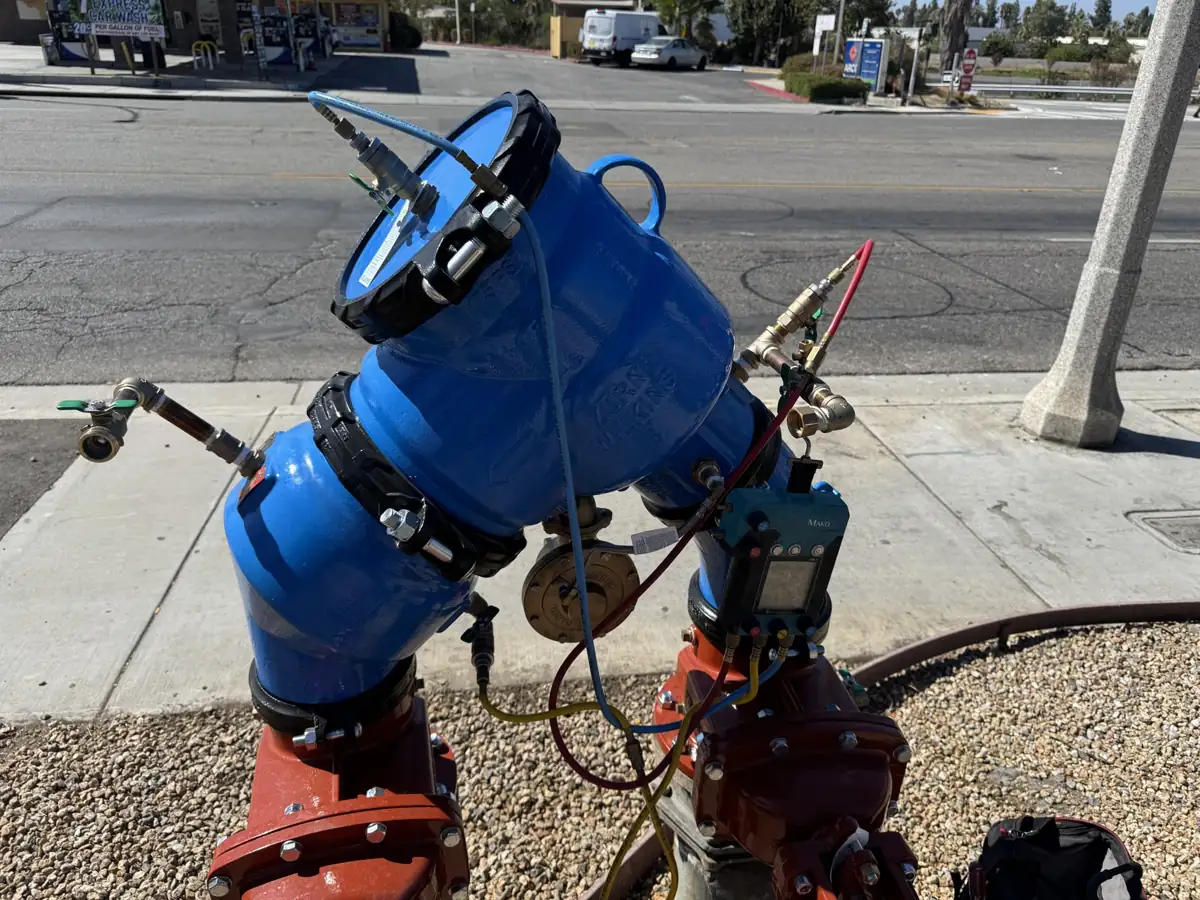
Choosing and installing the right backflow preventer for your property. We match the device to the hazard your district identifies, size it for your water use, handle permits when needed and file the first test report. Free quote after we confirm what your district requires. Most installs are finished in a single day. More about backflow preventer installation.
Backflow Assembly Installation
Backflow assemblies installed to code, with the right height, drainage and clearance for yearly testing. RPs above ground, vacuum breakers above the highest outlet, and cages or covers where theft or freezing is a risk. The startup test and first district report are included. Most installs for 2-inch and smaller devices take one day. More about backflow assembly installation.
How it works
Site visit
We confirm type and size.Approvals
Permits if needed.Install
Usually one day.Test & file
Report sent to your district.
Which device your property needs
Before anything gets installed, we figure out what your water district will accept for your connection. The hazard level decides the device type. High-hazard uses like clinics, car washes and chemical feeds usually need an RP assembly. Lower-hazard lines may use a double check. Irrigation that only faces backsiphonage can often use a PVB or SVB.
Next comes size. The device has to pass the water you use without dropping pressure too much. Most Chula Vista homes need 3/4-inch or 1-inch devices, while commercial and fire services start around 2 inches.
Getting both right the first time avoids paying for a second install when the district rejects the first.
Installed to be tested every year
Every device we install will need a test each year and the occasional repair, so access and placement matter from day one.
RPs stay above grade so the relief valve can drain. PVBs and SVBs go above the highest sprinkler or outlet. We leave room around each device for gauges, valve handles and check covers.
If the location is exposed to theft or cold, we'll recommend a cage or cover. A well-placed device passes its first test and stays simple to service.
From quote to first report
It starts with a visit or a few photos so we can confirm the connection, hazard and space. You get a free quote that includes the device, the installation and the first test.
If the district or city needs plans or a permit, we'll tell you upfront and build it into the timeline. Most residential and small commercial installs are done in a day.
Once the device is in and the line is flushed, we test it and file the first report with your water district. That puts it on record and sets the first annual due date. You get a copy, and we can remind you when next year's test is coming up.
Installs for homes
Most residential installs are for new sprinkler systems, pools with auto-fill lines, wells or home fire sprinklers. The device is usually 3/4 inch or 1 inch, and the job takes a day or less.
We'll pick a spot that meets placement rules and is easy to reach for yearly testing, then test it and file the first report.
Larger projects
Commercial installs and new construction often involve plans, permits, larger devices and coordination with other contractors. Fire lines usually need detector assemblies sized 4 inches and up.
We work to your project schedule and make sure the startup test is filed before final inspection.
Changes of use and new equipment
New equipment, like a boiler, chemical injector, wash bay or medical device, can raise the hazard at a connection. Turning a space into a different type of business can do the same. Either way, the district may ask for a new or upgraded device.
Planning a change? Call us early. Building the right device into the plan from the start costs less than retrofitting after an inspector catches it.
If you're unsure a device is even required, text us a photo and a quick description of the project. We'll let you know whether one is likely needed, which type and about what's involved, with no obligation. There's no charge for the quote, and most residential jobs are finished in a day.
Questions
Which type do I need?
Your water district decides based on how the water is used. We confirm it before we quote.
How often do I need a backflow test?
Once a year at minimum. A device also needs testing right after it's installed, repaired or moved. Your water district picks the due date and normally mails a reminder ahead of time.
Why folks in Chula Vista call us
Backflow is what we do. Our testers are certified, our gauges are calibrated, and we send the report to your water district for you, every time.
No surprises on price: $105 for devices under 4 inches, $175 for 4 inches and up, and free quotes on everything else. We answer seven days a week, 6am to midnight, and emergencies around the clock.
Here's how a visit goes. We call or text when we're on the way, find the device, and get the test done. If it passes, that's it: we file the report and send you a copy. If it doesn't, we'll show you what's wrong, tell you the price and fix it if you want us to. Most folks around Chula Vista never need to be home for any of it.
Chula Vista and nearby
We do backflow installation in Chula Vista, National City, Paradise Hills, Bonita, Imperial Beach and Encanto. We can usually come out this week.